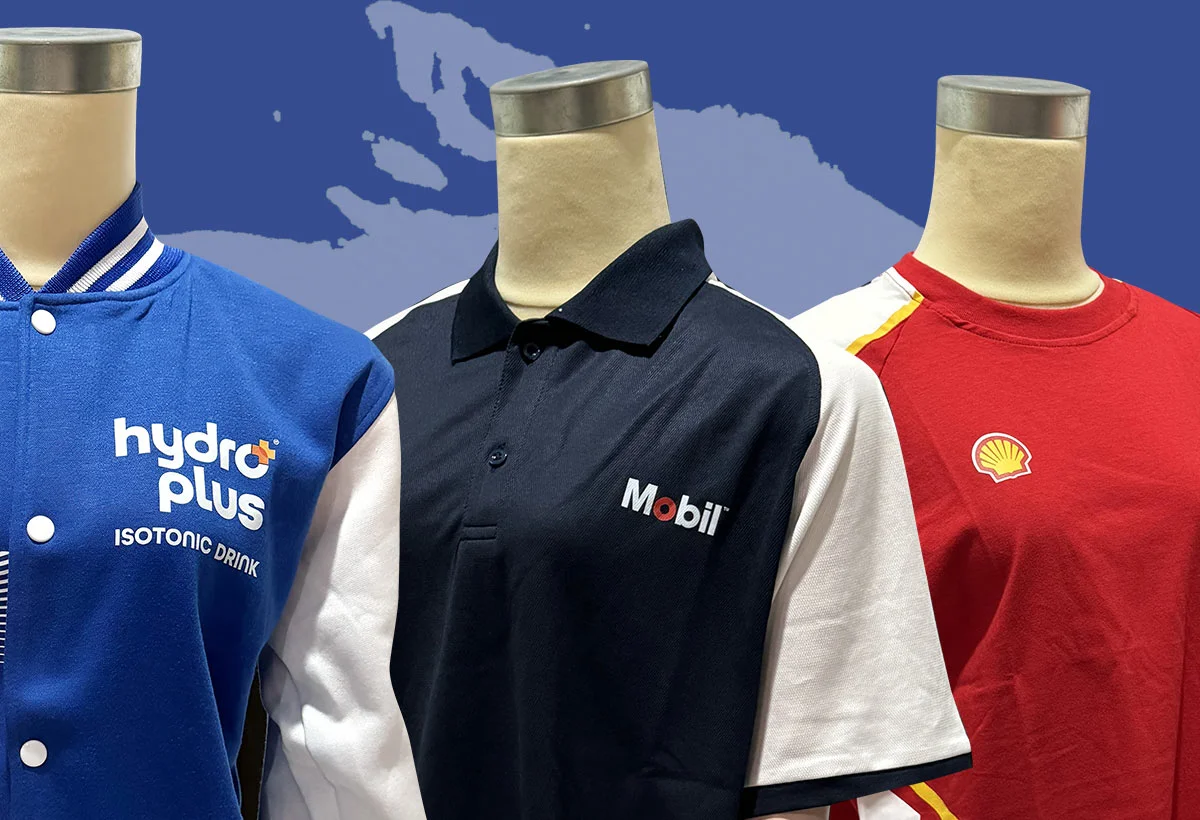
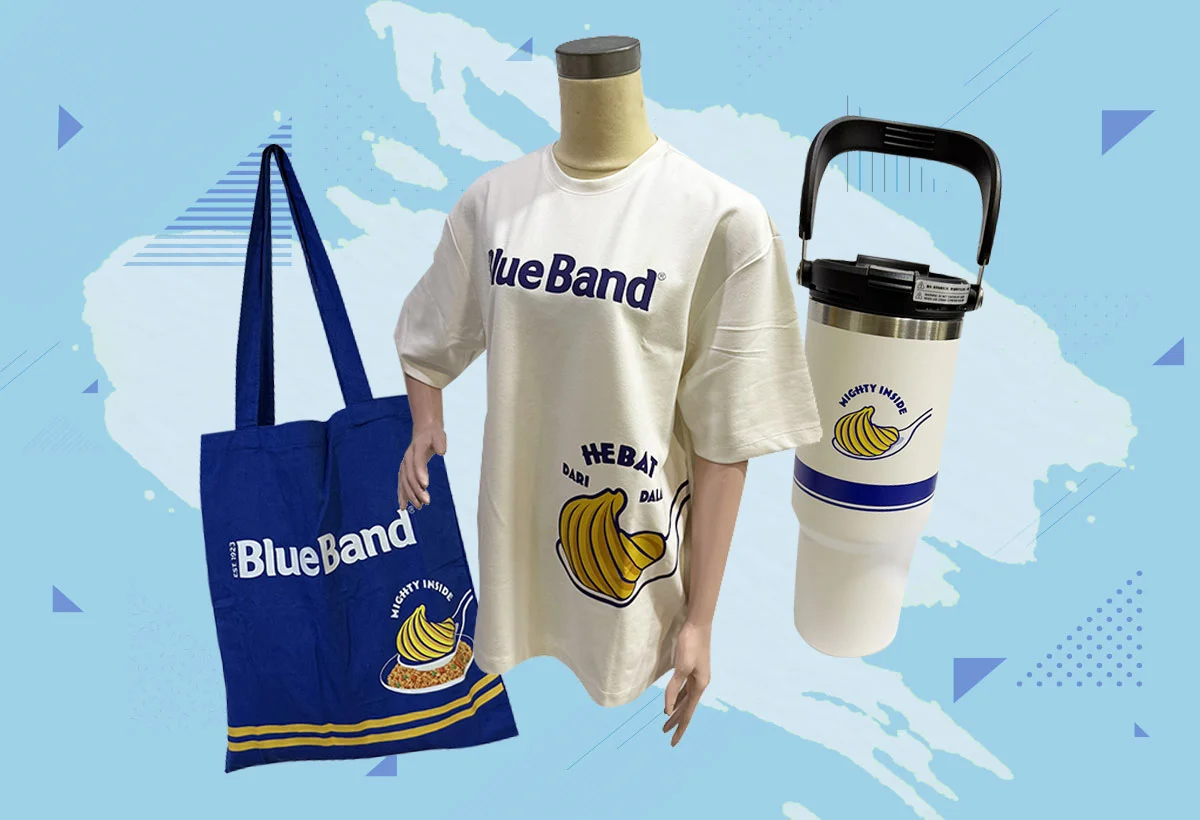
When people talk about custom apparel, screen printing is often the first method that comes to mind. And even with the rise of DTF and digital printing, screen printing continues to be a major player in the merchandise and fashion industry.
So what keeps it relevant?
It comes down to impact and efficiency.
Screen printing works by transferring ink onto fabric through a prepared mesh screen. Each color in a design requires its own screen, allowing printers to build layers that create bold, high-opacity results. The outcome is clean, sharp, and visually strong, especially for logos, typography, and graphic-heavy designs.
For brands producing in larger quantities, screen printing becomes increasingly cost-efficient. Once the setup is complete, production runs smoothly and consistently, making it ideal for:
Beyond production benefits, screen printing is known for durability. The ink sits firmly on the fabric surface and, when properly cured, can withstand regular wear and washing without easily fading or cracking.
From a branding perspective, the solid ink finish gives garments a premium and confident look. It’s particularly effective for designs with bold color blocks rather than complex gradients.
In today’s fast-moving apparel market, choosing the right printing method is a strategic decision. Screen printing remains a strong option for businesses that prioritize consistency, long-term wear, and large-scale production efficiency.
Sometimes innovation doesn’t replace the classic, it simply coexists with it.