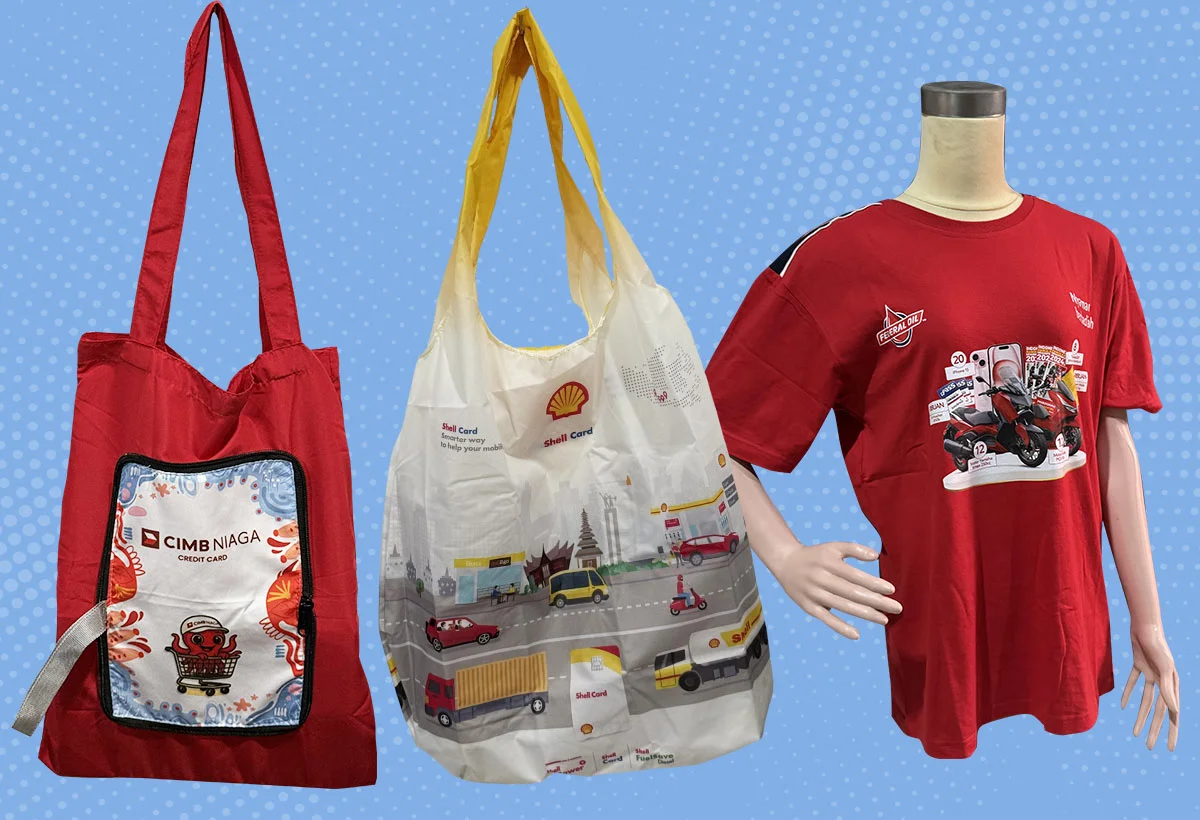
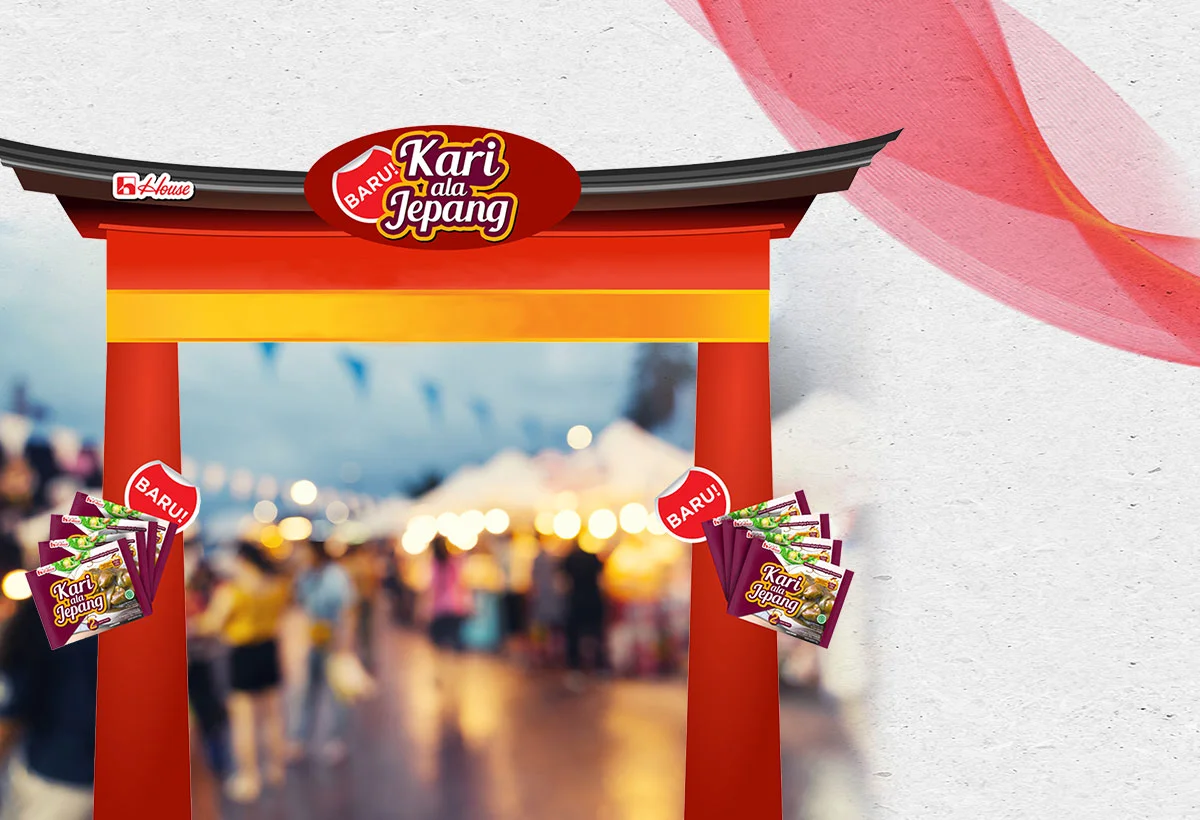
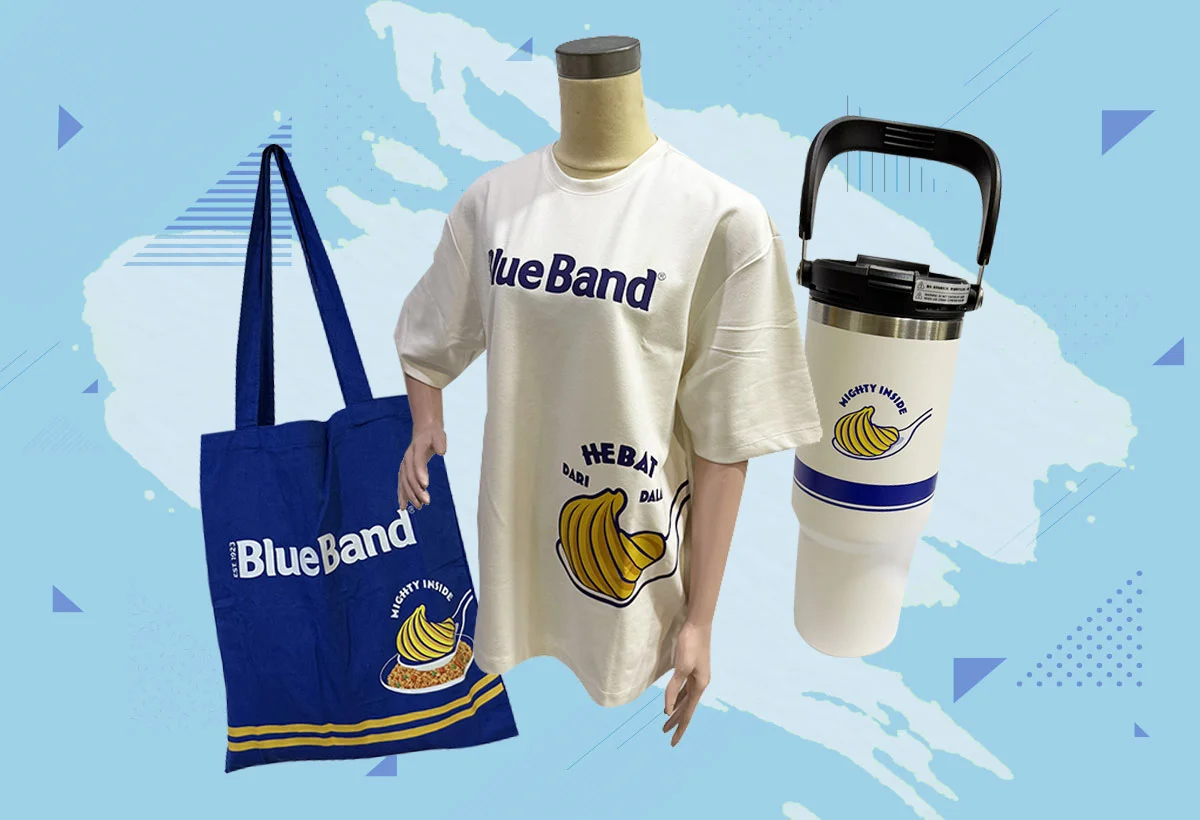
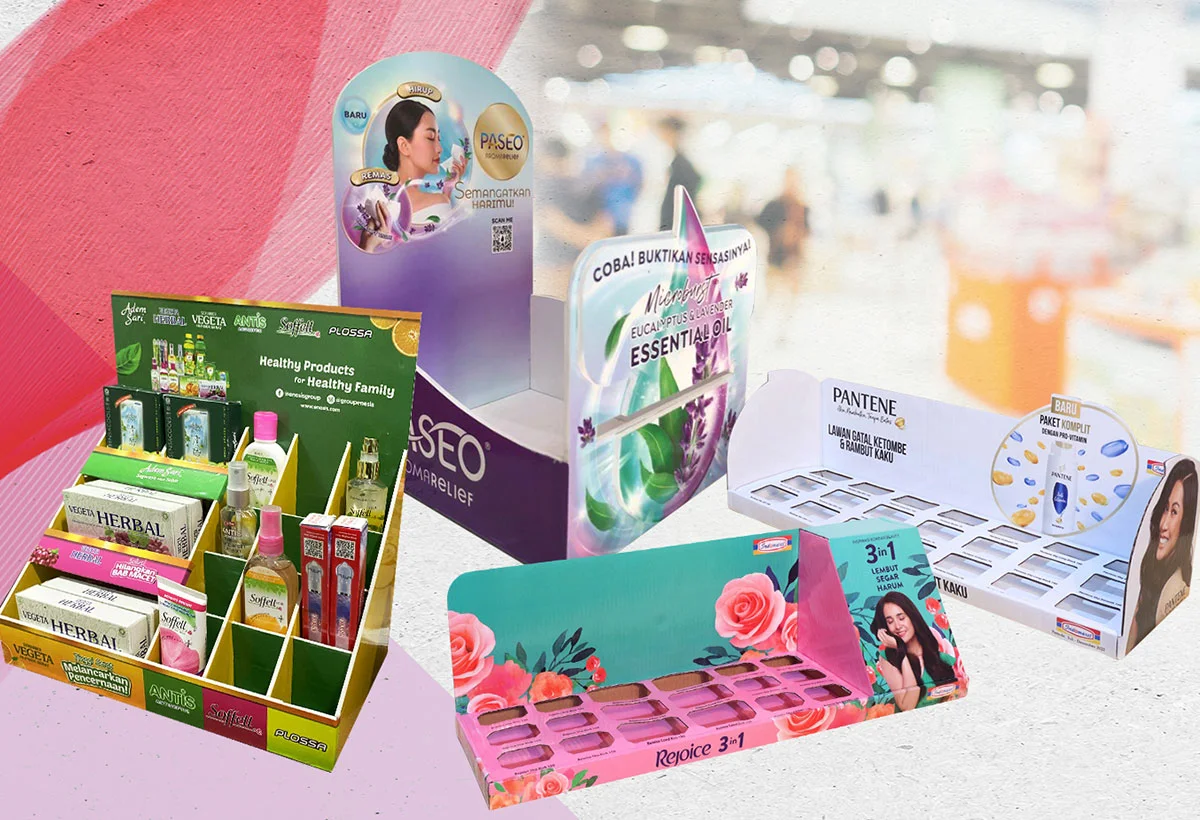
In the world of custom apparel, trends change fast. Brands want bold colors, detailed designs, and flexible production quantities — without compromising quality. That’s where DTF printing (Direct to Film) comes in.
DTF has quickly become one of the most preferred printing methods for t-shirts, hoodies, tote bags, and various fabric-based merchandise. It offers versatility that many traditional methods struggle to match.
What Makes DTF Different?
Unlike conventional screen printing or direct-to-garment methods, DTF printing works by transferring designs from a special film onto fabric using adhesive powder and heat press.
The result?
Sharp details, strong color vibrancy & excellent durability. And most importantly — it works on various fabric types, including cotton, polyester, and blends.
Why Many Brands Are Switching to DTF
One of the biggest advantages of DTF printing is flexibility. Whether you need small batch production for a limited drop or larger quantities for an event, DTF adapts efficiently.
It’s especially ideal for:
Designs with gradients, complex illustrations, or multiple colors can be printed without the color limitations found in traditional screen printing.
Durability That Matters
Quality DTF prints are stretchable and resistant to cracking when applied correctly. The texture feels soft yet solid, making it comfortable for everyday wear while maintaining a professional finish.
For brands, this means fewer complaints and longer product lifespan — which directly impacts customer satisfaction.
Is DTF the Right Choice for Your Brand?
If your priority is vibrant results, production flexibility, and detailed design output, DTF printing offers a modern solution. It bridges the gap between creativity and efficiency, making it suitable for both emerging brands and established companies.
In a competitive apparel market, choosing the right printing method is more than technical — it’s strategic. And DTF continues to prove itself as a reliable option for today’s customization demands.